
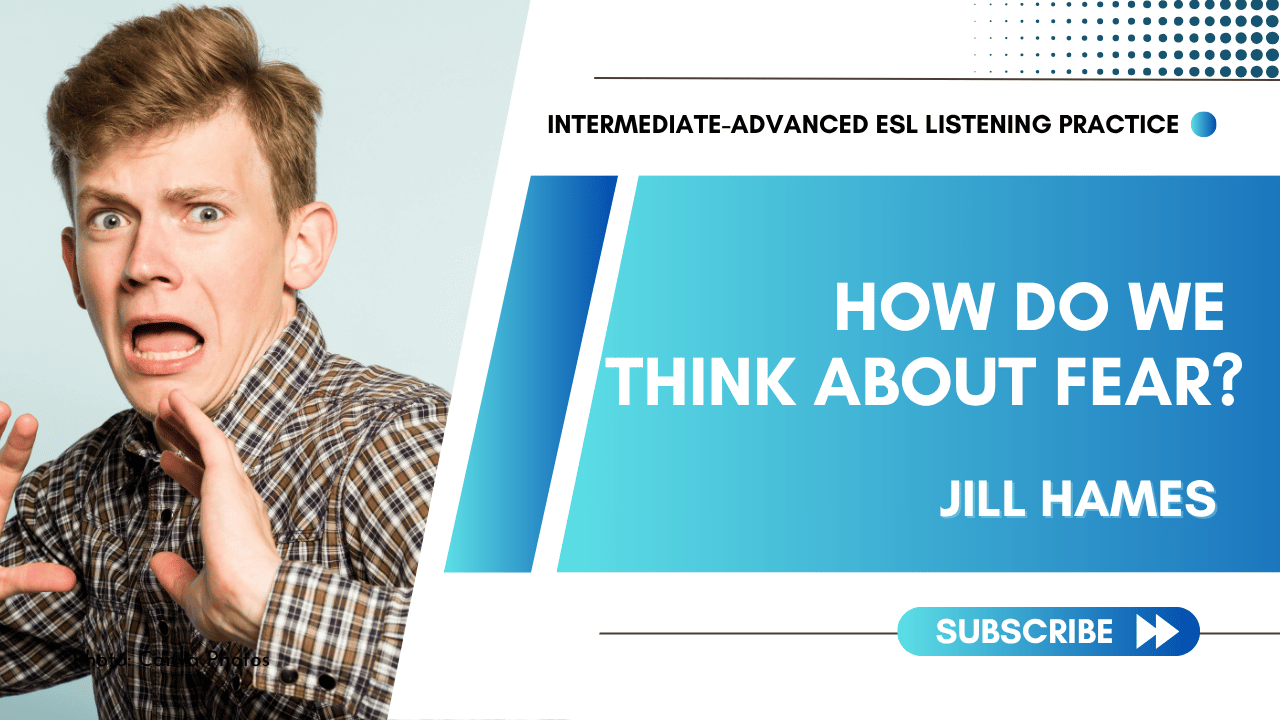
How Do We Think About Fear
CEFR Level B1-B2
Is fear expressed in the same ways across cultures? Do all cultures consider the same things frightening?
These questions can’t be answered in a short post, but here are a few thoughts pulled from the free internet.
How is Fear Expressed?
Becoming stoic or unexpressive
Crying
Giggling
Screaming
What is Frightening?
The boogeyman (by whatever name it is known)
Falling, especially unexpectedly
Ghosts or other sentient remnants of dead people
Possession by supernatural beings
Something rushing straight at you
Supernatural beings
What might be in the dark, but you don’t know if it’s there because you can’t see it
I found it surprising that I found so little about the cultural differences or similarities in fear.
How is fear expressed differently in different cultures?
How do people from different cultures think about and talk about fear?
What are the social norms around fear (e.g. show it or hide it)?
Is fear as entertainment more acceptable in some countries than in others?
I thought these were the type of questions the internet would love to answer. I was wrong.
My search results primarily talked about cultures of fear. I also didn’t want to spend hours trying different search parameters, so it could be that I stopped looking before discovering the winning search phrases.
I’m sure something that addresses these questions exists somewhere, but for these short posts, I try to stick with things anyone could access on the open web.
Selected Sources
“A Look at Culture-Specific Phobias” by Lisa Fritscher on Very Well Mind; Accessed 2023, September 15.
“Towards an Anthropology of Fear: are some things universally terrifying?” on Human Relations Area Files; Accessed 2023, September 15.
“We’re All Scared of the Same Things…or Are We? Emotional Differences Across Cultures” by David Livermore, PhD on Cultural Intelligence Center; Accessed 2023, September 15.