
God’s Will: Have We Misunderstood?
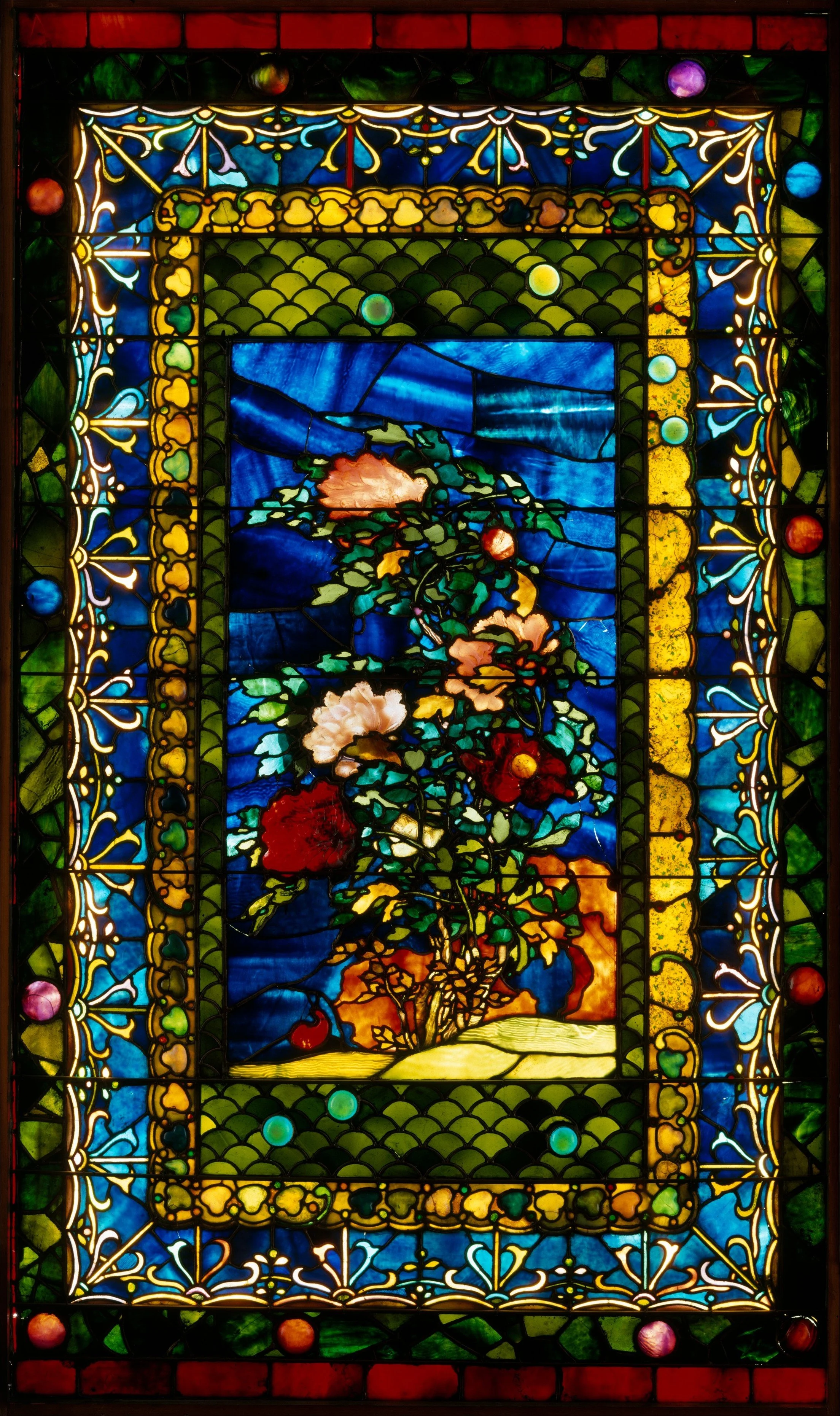
Peonies Blown in the Wind; ca. 1880; John La Farge
CEFR Level B2-C1
In the Garden of Gethsemane
There is a scene in the Garden of Gethsemane where Jesus prays for God's will to be done. (Matthew 26:36-44) I have only heard this talked about as God’s will being that Jesus be executed. Under that understanding, God sounds cruel. What loving entity wants his son/himself to be tortured to death, even if it is for the greater good? What kind of messed up entity designs a plan for their child/themself to be tortured to death, even if it is for the greater good?
We can talk about God’s ways being hard for humans to understand, but what if we don’t have to in this case? What if God’s will means something else here? If this passage is read under the assumption that God is love and that love does not harm, then other interpretations of God’s will open up.
What could we learn about God’s character if in the Gethsemane scene, God’s will is that humans are free to make their own choices, even knowing that they will make the choice to execute Jesus-God?
What we might learn
We might learn that there is a possibility that God did not want Jesus to die, but that God was so committed to allowing humans to make their own decisions that God designed a way to make something good come from humans’ bad choices. We might open the possibility that if all the people Jesus encountered decided to follow the way of Jesus and accept him as Messiah, then there is the possibility that Jesus would not have been executed and we would be experiencing 2,000 of fulfillment of all the goodness and restoration that God wants. We would open the possibility that Jesus did not have to die in order to bring salvation and healing and all the goodness humans long for. We might discover more love and respect in God’s character than the crucifixion story suggests.
This interpretation also helps to answer the question about why God doesn’t just come to earth and fix everything. Through reading the Gospels, we learn that God already did that. The problem is, Jesus-God did not go about fixing things the way humans think it should happen. Jesus-God continued to allow humans to make their own decisions about how to respond to God. Jesus-God went around healing and restoring and teaching people a better way of living. Bit by bit, person by person, he brought God’s kingdom to earth, starting the process of making all things new. The humans without power didn’t understand why God didn’t come in, destroy all the people doing bad things, and protect God’s special people. The humans with power really did not like Jesus’ restoration project because it made them look bad and challenged what they accepted as the way things should be. In both cases, God stayed true to God’s nature of not forcing humans to do what God wants, of valuing all humans (even the ones doing bad things (see Jonah and Nineveh)), and of continuing to work towards restoration of Earth and its inhabitants despite humans working against it.
If Jesus’ prayer was for God’s will for humans to be free to make their own decisions to be upheld, even if it meant his own execution, that’s a very different picture from a god who wants a blood sacrifice in order to be appeased (AKA penal substitutionary theory of atonement). It also teaches us that God sweeping in to fix things won’t turn out the way we imagine because of God’s character and human responses to God’s character.
Your will be done: Let humans continue to make their own decisions. Don’t change that part of the relationship between you and them just to save me. Let humans continue to be humans. We will conquer all that harms them, no matter how long it takes. Your will be done.