
Book Review: Professional Sexual Ethics: A Holistic Ministry Approach
CEFR Level C1-C2
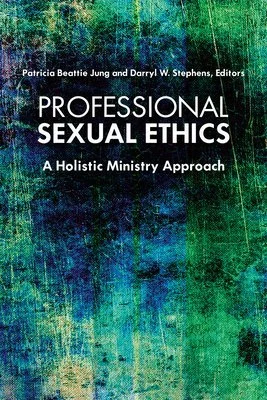
Professional Sexual Ethics: A Holistic Ministry Approach, edited by Patricia Beattie Jung and Darryl W. Stephens (Fortress, 2013) is a collection of essays on the topic of sexuality in ministry. The essays are divided into four sections. The book can be read straight through or essays can be read in isolation. The 21 contributors have diverse biases, but all the essays contribute to the premise that humans, and therefore people who work in ministry, are sexual, so sexuality is part of everything a minister does.
That premise may not be self-evident, so some essays seek to convince readers that sexuality cannot be separated from any other part of life. For Christians who struggle to see sexuality as good, Kate M. Ott reminds us in “Sexuality, Health, and Integrity” that if Jesus was a human body, then Jesus was sexual (15). Ott doesn’t suggest that Jesus engaged in explicit sexual activity (e.g. intercourse). That question is never addressed. The point is that a living human body is sexual, even the body that many consider the holiest of all - Jesus Christ. Other authors talk about the complexities of the premise and its implications for ministry.
Several authors directly discuss the actions a clergyperson should or should not do in order to maintain sexual integrity. These discussions, however, are less lists of rules and more concepts to integrate into ministerial practice. For example, in “Sexing the Ministry,” Stanley Hauerwas argues that sexual misconduct is more about the loneliness of a minister and the discomfort people feel in talking about sexuality in church than it is about a desire to use power.
From another perspective, Joretta Marshall suggests in “Pastoral Care and Sexual Ethics” that churches need to make a habit of talking about the meaning of the touch that is used during a worship service. She says, “It is a disservice to congregations to let them assume that all people like to be hugged or that everyone appreciates the same kind of physical touch” (104).
This collection of essays is focused on thinking through challenging questions and giving ideas for how to minister in challenging situations, such as how to talk to teenagers about sexual topics (“Ministry with Adolescents” by Robert C. Dykstra). “Thinking” is the key term here. While authors do suggest actions or conclusions, the goal of the collection is not to provide a rulebook. Rather, it is to promote thinking about challenging topics. To this end, the essayists follow Joretta Marshall’s recommended perspective that sexual ethics is less about rules and more about a willingness to be thoughtful in nuance (101).
This thoughtfulness and recognition of nuance contributes to the usefulness of this collection of essays. Even if a reader disagrees with a statement, they will be inspired to think about why they believe what they do and what the outcomes are of those beliefs. Readers from diverse faith traditions can benefit from the thoughts in these essays. Even non-Christian clergy may find the collection useful for its focus on practical application and unflinching statements of the reality of the power of ministry to do good or to do harm (101). In short, Professional Sexual Ethics: A Holistic Ministry Approach is worth the time it takes to read it.