
What is the Liturgical Calendar?
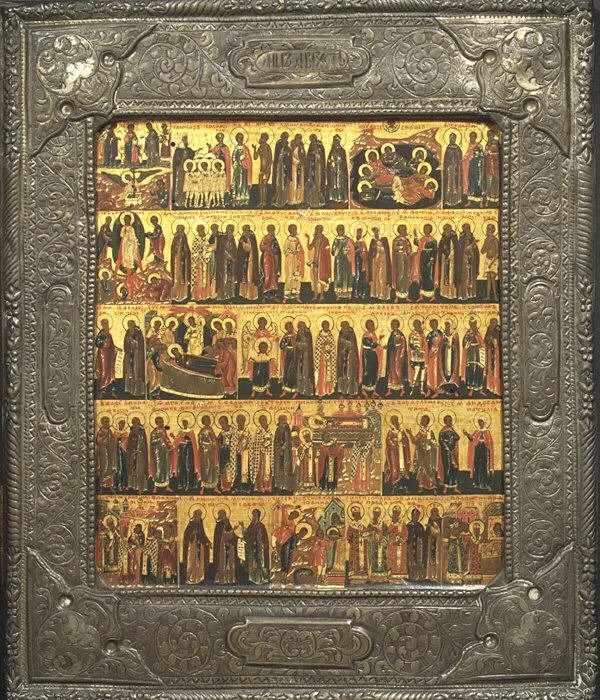
Calendar of Saints and Festivals; 17th/18th c; A Russian Painter
CEFR Level C1-C2
Updated July 21, 2026
Originally published November 28, 2023
What is the liturgical calendar?
The liturgical calendar is part of the Christian religion. It is also called a church-year calendar. The Christian liturgical calendar divides the 12-month calendar year into sections that guide scripture readings, prayers, songs, and other parts of Christian worship and life. Not all Christian traditions observe the liturgical calendar, but most do observe Easter and Christmas, which are part of the church liturgical calendar.
Churches from traditions that developed from Roman Catholicism (including Protestant denominations) use a slightly different calendar than churches that developed from Orthodox Christianity. The big picture events are the same, but when or how they happen has variations.
Do all liturgical Christians follow the same church-year calendar?
Different traditions have some variation in which days are observed or how they are observed, but the general order stays the same: Advent, Christmas, Epiphany, Ordinary Time, Lent, Easter, Pentecost, Ordinary Time. Ordinary Time does not mean “unspecial.” Ordinary Time means the weeks are labeled with ordinal numbers (e.g. First Sunday after Pentecost, Second Sunday after Pentecost, etc.).
Do all Christians follow some type of church calendar?
Some Christian traditions that don’t consider themselves liturgical still have a church-year calendar. This church calendar is more often formed by cultural or church events than from a desire to help Christians focus each day on Jesus Christ.
These non-liturgical church calendars tend to revolve around things like vacation Bible school, Christmas and Easter (part of the liturgical calendar), the start of school, and church-specific events like dedicating a month to giving to missionaries.